Running a business in a Qatar Free Zone comes with real perks. You get full foreign ownership, tax incentives and a strong base for trade across the Gulf. But these benefits come with a duty: you must keep clean books and get them checked by an independent auditor every year.
For many owners, the QFZ external audit process feels confusing. Which documents do you need? How long does it take? Who is allowed to sign your report? And what happens if you miss the deadline?
This guide answers all of that in plain language. You will learn each audit step in order, see a full documents checklist and pick up practical tips to make your next audit faster and less stressful.
What Is the QFZ External Audit Process?
The QFZ external audit process is the yearly review of your company’s financial statements by an independent auditor. The auditor checks that your numbers are accurate, complete and prepared under International Financial Reporting Standards (IFRS). At the end, they sign an audit report that gives an opinion on your accounts.
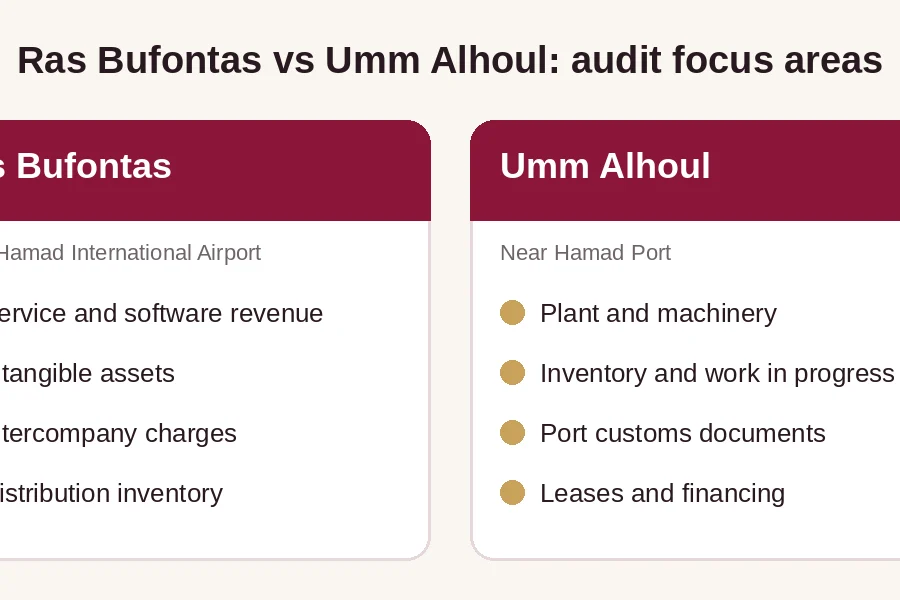
The Qatar Free Zones Authority (QFZA) manages the country’s two free zones: Ras Bufontas near Hamad International Airport and Umm Alhoul near Hamad Port. Companies in both zones follow the QFZA Companies Regulations, which set the rules for accounting and auditing.
Who Needs a QFZ External Audit?
Under the QFZA rules, the audit duty applies to almost every free zone entity:
QFZ LLCs: Shareholders must appoint one or more auditors at the first General Assembly Meeting after incorporation. If they don’t, the managers must do it.
QFZ branches: The parent company must prepare the branch’s financial statements every year and give the auditor access to its records.
Companies filing tax returns: Qatar’s tax rules generally require audited statements signed by a Qatar-registered auditor to go with the tax return.
In short, if you hold a QFZA licence, plan for an external audit every financial year.
Why the External Audit Matters for QFZ Companies
An audit is more than a legal box to tick. A clean audit report builds trust with the people your business depends on.
Regulatory compliance: QFZA can request your documents, investigate your affairs and even appoint its own independent auditor to inspect your books. A strong audit trail keeps you ready for any review.
Avoiding sanctions: QFZA keeps a Schedule of Sanctions for breaches of its rules. Missing or poor-quality accounts can lead to penalties and licence problems.
Banking and finance: Banks in Qatar usually ask for audited accounts before approving loans or credit lines.
Investor confidence: Shareholders and potential partners rely on audited figures to make decisions.
Tax filings: Audited statements support your tax return with the General Tax Authority (GTA).
QFZ External Audit Process: 8 Steps from Start to Finish
Most audits follow the same path. Here are the external audit steps in the order they usually happen.
Step 1: Appoint Your Auditor
Choose a licensed audit firm and sign an engagement letter. This letter sets the scope, fees, timeline and the financial year being audited. Do this well before your year-end so the auditor can plan ahead.
Step 2: Close Your Books and Reconcile Accounts
Finish all bookkeeping for the year. Reconcile every bank account, clear suspense entries and match your receivables and payables with customers and suppliers. Clean books are the single biggest factor in a fast audit.
Step 3: Prepare Draft Financial Statements
Under QFZA rules, the company’s managers are responsible for preparing the annual financial statements. These include the statement of financial position, profit and loss, cash flows, changes in equity and notes, all under IFRS.
Step 4: Audit Planning and Risk Assessment
The auditor studies your business, systems and key risks. They decide which areas need the closest testing, such as revenue, inventory or related-party transactions.
Step 5: Fieldwork and Testing
This is the main part of the audit. The auditor checks samples of invoices and contracts, sends bank and customer confirmations, reviews fixed assets and may attend a stock count. Expect plenty of questions during this stage.
Step 6: Review Findings and Adjustments
The auditor shares any errors or weak controls they found. You agree on corrections, update the draft statements and sign a management representation letter confirming the information you provided is complete.
Step 7: Receive the Signed Audit Report
Once everything is settled, the auditor issues the final report with their opinion. An unqualified (clean) opinion means your statements give a true and fair view.
Step 8: Approve, Submit and Keep Records
The financial statements go to shareholders for approval at the Annual General Assembly Meeting. You then file them where required, such as with your tax return, and keep copies at your registered office for 10 years, as the QFZA rules require.
Documents Required for Audit in Qatar: QFZ Checklist
Having your papers ready before fieldwork starts can cut weeks off the audit. Use this audit checklist for Qatar free zone companies to gather everything in one place.
Category
Documents to Prepare
Legal and corporate
QFZA licence and certificate of incorporation, Articles of Association, register of shareholders, manager details, board and General Assembly minutes
Accounting records
General ledger, trial balance, prior year audited statements, chart of accounts
Bank and cash
Bank statements for all 12 months, year-end bank reconciliations, loan agreements, cash count sheets
All bank accounts reconciled to year-end statements
Receivables and payables matched to customer and supplier balances
Fixed asset register updated with additions and disposals
Year-end stock count completed and documented
Board and shareholder minutes signed and filed
Draft IFRS financial statements prepared
How to Choose QFZ Approved Auditors in Qatar
Not every accountant can sign your audit report. For tax filings in Qatar, the audit opinion generally must be signed by an auditor registered with the Ministry of Commerce and Industry (MOCI). Before you sign an engagement letter, confirm the firm is accepted for QFZ companies.
Valid licence: Ask for proof of MOCI registration and any other approvals they hold.
Free zone experience: A firm that already audits QFZ companies will know QFZA rules and common issues.
Industry knowledge: Logistics, manufacturing and technology firms each have their own audit risks. Pick an auditor who knows your sector.
Clear pricing: Get a fixed quote and a written timeline, so there are no surprises.
Independence: Your auditor should not also keep your books. Use one firm for bookkeeping and a separate firm for the audit.
Audit Preparation for QFZ Companies: Tips and Common Mistakes
Good audit preparation for QFZ companies starts long before year-end. Small habits during the year make the final audit quick and smooth.
Practical Tips
Do monthly bookkeeping. Record and reconcile transactions every month, not in a rush at year-end.
Keep digital copies. Scan invoices, contracts and receipts and store them in organised folders.
Track your deadlines. Confirm your tax filing and QFZA reporting dates early and work backwards.
Assign one contact person. A single point of contact keeps auditor questions moving fast.
Review last year’s management letter. Fix the issues your auditor raised before they come back again.
Common Mistakes to Avoid
Mistake
How to Fix It
Unreconciled bank accounts
Reconcile every account monthly
Missing invoices or receipts
Scan and file documents when you receive them
Mixing personal and business spending
Use separate bank accounts and cards
No minutes for key decisions
Record and sign minutes for every board and shareholder decision
Hiring the auditor too late
Book your auditor at least two to three months before year-end
Undocumented related-party deals
Put every intercompany arrangement in writing
Final Thoughts
The QFZ external audit process does not have to be stressful. When you appoint your auditor early, keep your books clean all year and gather the right documents, the audit becomes a simple yearly routine. Follow the eight steps and the checklist in this guide, and you will be in a strong position to get a clean audit report on time.
Get Audit-Ready with Bookkeeping Qatar
Is your QFZ company ready for its next audit? Bookkeeping Qatar helps free zone businesses keep accurate, IFRS-ready books all year. We reconcile your accounts, prepare your financial statements and organise your full audit file, so your auditor can start fieldwork without delays.
ContactBookkeeping Qatartoday to book a free consultation and make your next QFZ audit fast, smooth and stress-free.
Frequently Asked Questions
Is an external audit mandatory for QFZ companies?
Yes. QFZA’s Companies Regulations require shareholders to appoint at least one auditor at the first General Assembly Meeting after incorporation. Audited statements are also generally needed for tax filings in Qatar.
How long does the QFZ external audit process take?
For a small or mid-sized company with clean books, an audit often takes a few weeks from fieldwork to signed report. Messy records, missing documents or complex group structures can stretch this much longer.
What documents are required for audit in Qatar?
You will need your QFZA licence and corporate documents, general ledger, trial balance, bank statements, sales and purchase invoices, fixed asset register, payroll records, contracts and prior year audited statements. See the full checklist above.
Who can audit a Qatar Free Zone company?
An independent audit firm licensed in Qatar. For tax purposes, the audit opinion generally needs to be signed by an auditor registered with the Ministry of Commerce and Industry.
Which accounting standards do QFZ companies use?
Qatar broadly follows International Financial Reporting Standards (IFRS), and auditors will review your statements against them.
How long must QFZ companies keep their financial records?
Copies of financial statements must be kept at the company’s registered office for 10 years from the date they were first prepared.
What happens if a QFZ company does not complete its audit?
QFZA can impose sanctions for breaches of its rules, request documents and even appoint its own independent auditor to inspect your books. A missing audit can also delay tax filings, bank financing and licence matters.
Can my bookkeeper also be my auditor?
No. Your auditor must be independent. A bookkeeping firm can prepare your accounts and audit file, while a separate licensed firm performs the audit.
Setting up in a Qatar free zone gives your business 100% foreign ownership, tax incentives and world-class infrastructure. However, these benefits come with clear compliance duties. One of…
Starting a business in Qatar is exciting. However, before you sign a lease or hire your first employee, you need two key approvals. The first is a commercial…